ENG4U, Grade 12, English
ENG4U COURSE OUTLINE
Course Title: English, Grade 12, University
Grade: 12
Ministry Course Code: ENG4U
Course Type: University
Credit Value: 1.00
Course Hours: 113
Department: English
Revision Date: N/A
Policy Document: English, The Ontario Curriculum, Grades 11 and 12, 2007 (Revised)
http://www.edu.gov.on.ca/eng/curriculum/secondary/english1112currb.pdf
COURSE DESCRIPTION
ENG4U - English 12 course emphasizes the consolidation of the literacy, communication, and critical and creative thinking skills necessary for success in academic and daily life. Students will analyse a range of challenging literary texts from various periods, countries, and cultures; interpret and evaluate informational and graphic texts; and create oral, written, and media texts in a variety of forms. An important focus will be on using academic language coherently and confidently, selecting the reading strategies best suited to particular texts and particular purposes for reading, and developing greater control in writing. The course is intended to prepare students for university, college, or the workplace.
OVERALL EXPECTATIONS
Oral Communication
1. Listening to Understand: listen in order to understand and respond appropriately in a variety of situations for a variety of purposes;
2. Speaking to Communicate: use speaking skills and strategies appropriately to communicate with different audiences for a variety of purposes;
3. Reflecting on Skills and Strategies: reflect on and identify their strengths as listeners and speakers, areas for improvement, and the strategies they found most helpful in oral communication situations.
Literature Studies and Reading
1. Reading for Meaning: read and demonstrate an understanding of a variety of literary, informational, and graphic texts, using a range of strategies to construct meaning;
2. Understanding Form and Style: recognize a variety of text forms, text features, and stylistic elements and demonstrate understanding of how they help communicate meaning;
3. Reading With Fluency: use knowledge of words and cueing systems to read fluently;
4. Reflecting on Skills and Strategies: reflect on and identify their strengths as readers, areas for improvement, and the strategies they found most helpful before, during, and after reading.
Writing
1. Developing and Organizing Content: generate, gather, and organize ideas and information to write for an intended purpose and audience;
2. Using Knowledge of Form and Style: draft and revise their writing, using a variety of literary, informational, and graphic forms and stylistic elements appropriate for the purpose and audience;
3. Applying Knowledge of Conventions: use editing, proofreading, and publishing skills and strategies, and knowledge of language conventions, to correct errors, refine expression, and present their work effectively;
4. Reflecting on Skills and Strategies: reflect on and identify their strengths as writers, areas for improvement, and the strategies they found most helpful at different stages in the writing process.
Media Studies
1. Understanding Media Texts: demonstrate an understanding of a variety of media texts;
2. Understanding Media Forms, Conventions, and Techniques: identify some media forms and explain how the conventions and techniques associated with them are used to create meaning;
3. Creating Media Texts: create a variety of media texts for different purposes and audiences, using appropriate forms, conventions, and techniques;
4. Reflecting on Skills and Strategies: reflect on and identify their strengths as media interpreters and creators, areas for improvement, and the strategies they found most helpful in understanding and creating media texts.
Oral Communication
1. Listening to Understand: listen in order to understand and respond appropriately in a variety of situations for a variety of purposes;
2. Speaking to Communicate: use speaking skills and strategies appropriately to communicate with different audiences for a variety of purposes;
3. Reflecting on Skills and Strategies: reflect on and identify their strengths as listeners and speakers, areas for improvement, and the strategies they found most helpful in oral communication situations.
Literature Studies and Reading
1. Reading for Meaning: read and demonstrate an understanding of a variety of literary, informational, and graphic texts, using a range of strategies to construct meaning;
2. Understanding Form and Style: recognize a variety of text forms, text features, and stylistic elements and demonstrate understanding of how they help communicate meaning;
3. Reading With Fluency: use knowledge of words and cueing systems to read fluently;
4. Reflecting on Skills and Strategies: reflect on and identify their strengths as readers, areas for improvement, and the strategies they found most helpful before, during, and after reading.
Writing
1. Developing and Organizing Content: generate, gather, and organize ideas and information to write for an intended purpose and audience;
2. Using Knowledge of Form and Style: draft and revise their writing, using a variety of literary, informational, and graphic forms and stylistic elements appropriate for the purpose and audience;
3. Applying Knowledge of Conventions: use editing, proofreading, and publishing skills and strategies, and knowledge of language conventions, to correct errors, refine expression, and present their work effectively;
4. Reflecting on Skills and Strategies: reflect on and identify their strengths as writers, areas for improvement, and the strategies they found most helpful at different stages in the writing process.
Media Studies
1. Understanding Media Texts: demonstrate an understanding of a variety of media texts;
2. Understanding Media Forms, Conventions, and Techniques: identify some media forms and explain how the conventions and techniques associated with them are used to create meaning;
3. Creating Media Texts: create a variety of media texts for different purposes and audiences, using appropriate forms, conventions, and techniques;
4. Reflecting on Skills and Strategies: reflect on and identify their strengths as media interpreters and creators, areas for improvement, and the strategies they found most helpful in understanding and creating media texts.
OUTLINE OF COURSE CONTENT

.
.
EVALUATION SCHEME
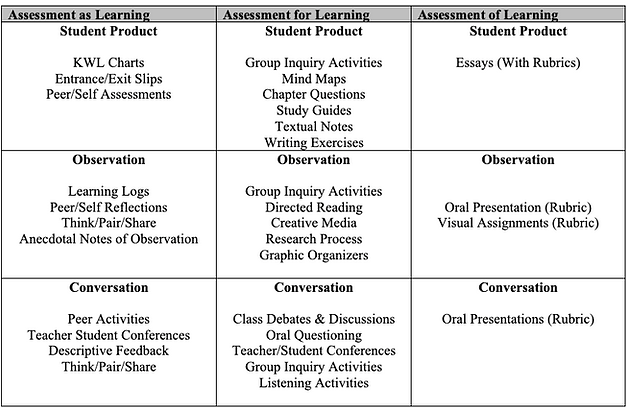
A final grade (percentage mark) is calculated at the end of the course and reflects the quality of the student’s achievement of the overall expectations of the course, in accordance with the provincial curriculum.
The final grade will be determined as follows:
Seventy percent (70%) of the grade will be based on evaluation conducted throughout the course. This portion of the grade should reflect the student’s most consistent level of achievement throughout the course, although special consideration should be given to more recent evidence of achievement.
Thirty percent (30%) of the grade will be based on a final evaluation administered at or towards the end of the course. This evaluation will be based on evidence from one or a combination of the following: an examination, a performance, an essay, and/or another method of evaluation suitable to the course content. The final evaluation allows the student an opportunity to demonstrate comprehensive achievement of the overall expectations for the course.