EPS3O, Grade 11, Presentation & Speaking Skills
EPS3O COURSE OUTLINE
Course Title: Presentation & Speaking Skills
Grade: 11
Ministry Course Code: EPS3O
Course Type: Open
Credit Value: 1.00
Course Hours: 110
Department: English
Revision Date: N/A
Policy Document: English, The Ontario Curriculum, Grades 11 and 12, 2007 (Revised) http://www.edu.gov.on.ca/eng/curriculum/secondary/english1112currb.pdf
COURSE DESCRIPTION
This course emphasizes the knowledge and skills required to plan and make effective presentations and to speak effectively in both formal and informal contexts, using such forms as reports, speeches, debates, panel discussions, storytelling, recitations, interviews, and multimedia presentations. Students will research and analyse the content and characteristics of convincing speeches and the techniques of effective speakers; design and rehearse presentations for a variety of purposes and audiences; select and use visual and technological aids to enhance their message; and assess the effectiveness of their own and others’ presentations.
OVERALL EXPECTATIONS
Understanding Presentations
By the end of this course, students will:
1. Identifying Elements of Effective Presentations: identify and analyse the characteristics of effective presentations;
2. Assessing Presentations: produce critical assessments of a variety of presentations.
Making Presentations
By the end of this course, students will:
1. Planning Presentations: plan presentations for specific purposes and audiences;
2. Delivering Presentations: communicate orally for a variety of purposes and audiences, using the
forms, language, and techniques of effective oral presentations;
3. Reflecting on Presentation Skills and Strategies: reflect on the skills they have acquired in preparing, delivering, and responding to presentations.
OUTLINE OF COURSE CONTENT

.
.
EVALUATION SCHEME
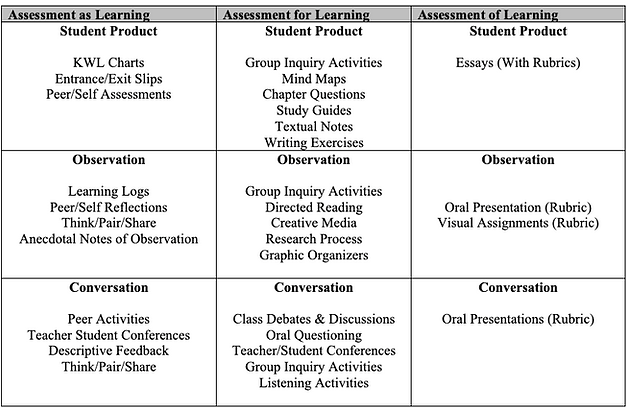
A final grade (percentage mark) is calculated at the end of the course and reflects the quality of the student’s achievement of the overall expectations of the course, in accordance with the provincial curriculum.
The final grade will be determined as follows:
Seventy percent (70%) of the grade will be based on evaluation conducted throughout the course. This portion of the grade should reflect the student’s most consistent level of achievement throughout the course, although special consideration should be given to more recent evidence of achievement.
Thirty percent (30%) of the grade will be based on a final evaluation administered at or towards the end of the course. This evaluation will be based on evidence from one or a combination of the following: an examination, a performance, an essay, and/or another method of evaluation suitable to the course content. The final evaluation allows the student an opportunity to demonstrate comprehensive achievement of the overall expectations for the course.