GLC2O, Grade 10, Career Studies
GLC2O COURSE OUTLINE
Course Title: Career Studies, Grade 10
Grade: 10
Ministry Course Code: GLC2O
Course Type: Academic
Credit Value: 0.5
Course Hours: 55
Department: Career Studies
Revision Date: N/A
Policy Document: Career Studies, The Ontario Curriculum, Grade 10, 2019 (Revised)
http://edu.gov.on.ca/eng/curriculum/secondary/career-studies-grade10.pdf
COURSE DESCRIPTION
This course gives students the opportunity to develop the skills, knowledge, and habits that will support them in their education and career/life planning. Students will learn about global work trends, and seek opportunities within the school and community to expand and strengthen their transferable skills and their ability to adapt to the changing world of work. On the basis of exploration, reflective practice, and decision-making processes, students will make connections between their skills, interests, and values and their postsecondary options, whether in apprenticeship training, college, community living, university, or the workplace. They will set goals and create a plan for their first postsecondary year. As part of their preparation for the future, they will learn about personal financial management – including the variety of saving and borrowing tools available to them and how to use them to their advantage – and develop a budget for their first year after secondary school.
OVERALL EXPECTATIONS
Developing the Skills, Strategies, and Habits Needed to Succeed
By the end of this course, students will:
A1. Skills, Strategies, and Habits That Contribute to Success demonstrate an understanding of the skills, strategies, and habits that can contribute to success in the pursuit of educational and career/life opportunities and in the achievement of a healthy school/life/work balance.
A2. Decision-Making Strategies and Goal Setting apply various decision-making strategies to help them set goals, reflecting on and documenting their goal-setting process.
Exploring and Preparing for the World of Work
By the end of this course, students will:
B1. Exploring Work Trends and the Importance of Transferable Skills demonstrate an understanding, based on research, of a variety of local and global trends related to work and employment, including the effect some of those trends have had on workers’ rights and responsibilities and on the role of transferable skills in career development today.
B2. Preparing for Future Opportunities develop a personal profile based on an exploration of their interests, values, skills, strengths, and needs, and examine the range of factors that can influence their future education and career/life opportunities.
B3. Identifying Possible Destinations and Pathways taking their personal profile into account, explore, research, and identify a few postsecondary destinations of interest, whether in apprenticeship training, college, community living, university, or the workplace, and investigate the secondary school pathways that lead to those destinations.
Planning and Financial Management to Help Meet Postsecondary Goals
By the end of this course, students will:
C1. Creating a Postsecondary Plan develop a plan for their first postsecondary year, whether in apprenticeship training, college, community living, university, or the workplace, and prepare a variety of materials for communicating their strengths and aspirations to prospective mentors, program administrators, employers, and/or investors.
C2. Budgeting and Financial Management demonstrate an understanding of responsible management of financial resources and of services available to support their financial literacy as they prepare a budget for their first postsecondary year.
OUTLINE OF COURSE CONTENT

.
.
EVALUATION SCHEME
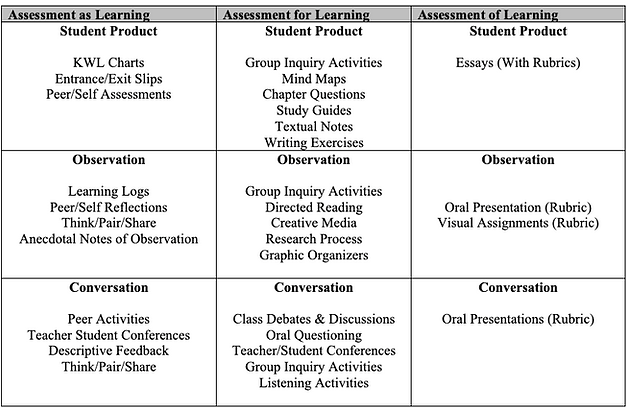
A final grade (percentage mark) is calculated at the end of the course and reflects the quality of the student’s achievement of the overall expectations of the course, in accordance with the provincial curriculum.
The final grade will be determined as follows:
Seventy percent (70%) of the grade will be based on evaluation conducted throughout the course. This portion of the grade should reflect the student’s most consistent level of achievement throughout the course, although special consideration should be given to more recent evidence of achievement.
Thirty percent (30%) of the grade will be based on a final evaluation administered at or towards the end of the course. This evaluation will be based on evidence from one or a combination of the following: an examination, a performance, an essay, and/or another method of evaluation suitable to the course content. The final evaluation allows the student an opportunity to demonstrate comprehensive achievement of the overall expectations for the course.