ICS4U, Grade 12, Computer Science
ICS4U COURSE OUTLINE
Course Title: Introduction to Computer Science, Grade 12, University
Grade: 12
Ministry Course Code: ICS4U
Course Type: University
Credit Value: 1.00
Course Hours: 112
Department: Computer Studies
Revision Date: N/A
Policy Document: Computer Science, The Ontario Curriculum, Grades 11 and 12, 2008 (Revised) http://www.edu.gov.on.ca/eng/curriculum/secondary/computer10to12_2008.pdf
COURSE DESCRIPTION
This course enables students to further develop knowledge and skills in computer science. Students will use modular design principles to create complex and fully documented programs, according to industry standards. Student teams will manage a large software development project, from planning through to project review. Students will also analyze algorithms for effectiveness. They will investigate ethical issues in computing and further explore environmental issues, emerging technologies, areas of research in computer science, and careers in the field.
OVERALL EXPECTATIONS
Programming Concepts and Skills
By the end of this course, students will:
A1. demonstrate the ability to use different data types and expressions when creating computer programs;
A2. describe and use modular programming concepts and principles in the creation of computer programs;
A3. design and write algorithms and subprograms to solve a variety of problems;
A4.use proper code maintenance techniques when creating computer programs.
Software Development
By the end of this course, students will:
B1. demonstrate the ability to manage the software development process effectively, through all of its stages – planning, development, production, and closing;
B2. apply standard project management techniques in the context of a student-managed team project
Designing Modular Programs
By the end of this course, students will:
C1.demonstrate the ability to apply modular design concepts in computer programs;
C2.analyse algorithms for their effectiveness in solving a problem
Advanced Topics in Computer Science
By the end of this course, students will:
D1. assess strategies and initiatives that promote environmental stewardship with respect to the use of computers and related technologies.
D2. analyze ethical issues and propose strategies to encourage ethical practices related to the use of computers;
D3. analyse the impact of emerging computer technologies on society and the economy;
D4. research and report on different areas of research in computer science, and careers related to computer science
OUTLINE OF COURSE CONTENT

.
.
EVALUATION SCHEME
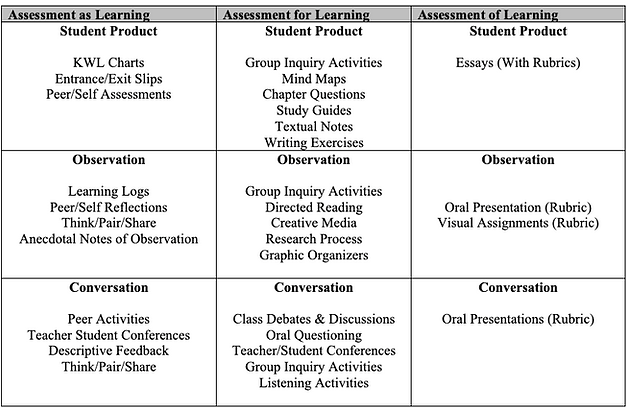
A final grade (percentage mark) is calculated at the end of the course and reflects the quality of the student’s achievement of the overall expectations of the course, in accordance with the provincial curriculum.
The final grade will be determined as follows:
Seventy percent (70%) of the grade will be based on evaluation conducted throughout the course. This portion of the grade should reflect the student’s most consistent level of achievement throughout the course, although special consideration should be given to more recent evidence of achievement.
Thirty percent (30%) of the grade will be based on a final evaluation administered at or towards the end of the course. This evaluation will be based on evidence from one or a combination of the following: an examination, a performance, an essay, and/or another method of evaluation suitable to the course content. The final evaluation allows the student an opportunity to demonstrate comprehensive achievement of the overall expectations for the course.