SBI4U, Grade 12, Biology
SBI4U COURSE OUTLINE
Course Title: Biology, Grade 12, University Preparation
Grade: 12
Ministry Course Code: SBI4U
Course Type: University Preparation
Credit Value: 1.00
Course Hours: 110
Department: Science
Revision Date: N/A
Policy Document: Science, The Ontario Curriculum, Grades 11 and 12, 2008 (Revised)
http://www.edu.gov.on.ca/eng/curriculum/secondary/2009science11_12.pdf
COURSE DESCRIPTION
Biology - SBI4U course provides students with the opportunity for in depth study of the concepts and processes that occur in biological systems. Students will study theory and conduct investigations in the areas of biochemistry, metabolic processes, molecular genetics, homeostasis, and population dynamics. Emphasis will be placed on the achievement of detailed knowledge and the refinement of skills needed for further study in various branches of the life sciences and related fields.
OVERALL EXPECTATIONS
Biochemistry
By the end of this unit, students will:
1. analyse technological applications of enzymes in some industrial processes, and evaluate technological advances in the field of cellular biology;
2. investigate the chemical structures, functions, and chemical properties of biological molecules involved in some common cellular processes and biochemical reactions
3. demonstrate an understanding of the structures and functions of biological molecules, and the biochemical reactions required to maintain normal cellular function, the factors that affect the growth of various populations of species Literature Studies and Reading
Metabolic processes
By the end of this unit, students will:
1. analyse the role of metabolic processes in the functioning of biotic and abiotic systems, and evaluate the importance of an understanding of these processes and related technologies to personal choices made in everyday life;
2. investigate the products of metabolic processes such as cellular respiration and photosynthesis;
3. demonstrate an understanding of the chemical changes and energy conversions that occur in metabolic processes.
Molecular genetics
By the end of this unit, students will:
1. analyse some of the social, ethical, and legal issues associated with genetic research and biotechnology;
2. investigate, through laboratory activities, the structures of cell components and their roles in processes that occur within the cell;
3. demonstrate an understanding of concepts related to molecular genetics, and how genetic modification is applied in industry and agriculture
Homeostasis
By the end of this unit, students will:
1. evaluate the impact on the human body of selected chemical substances and of environmental factors related to human activity
2. investigate the feedback mechanisms that maintain homeostasis in living organisms
3. demonstrate an understanding of the anatomy and physiology of human body systems, and explain the mechanisms that enable the body to maintain homeostasis
Population dynamics
By the end of this unit, students will:
1. analyse the relationships between population growth, personal consumption, technological development, and our ecological footprint, and assess the effectiveness of some Canadian initiatives intended to assist expanding populations;
2. investigate the characteristics of population growth, and use models to calculate the growth of populations within an ecosystem;
3. demonstrate an understanding of concepts related to population growth, and explain the factors that affect the growth of various populations of species.
OUTLINE OF COURSE CONTENT

.
.
EVALUATION SCHEME
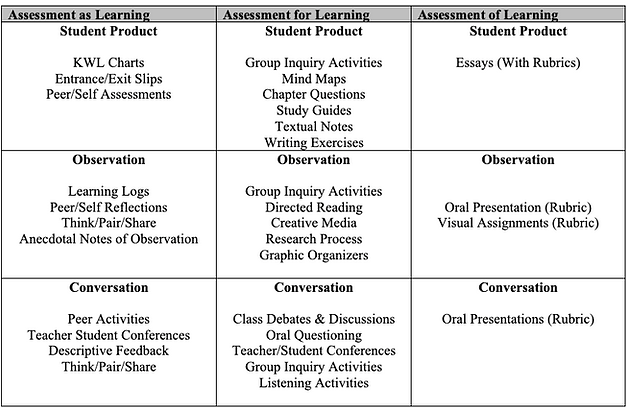
A final grade (percentage mark) is calculated at the end of the course and reflects the quality of the student’s achievement of the overall expectations of the course, in accordance with the provincial curriculum.
The final grade will be determined as follows:
Seventy percent (70%) of the grade will be based on evaluation conducted throughout the course. This portion of the grade should reflect the student’s most consistent level of achievement throughout the course, although special consideration should be given to more recent evidence of achievement.
Thirty percent (30%) of the grade will be based on a final evaluation administered at or towards the end of the course. This evaluation will be based on evidence from one or a combination of the following: an examination, a performance, an essay, and/or another method of evaluation suitable to the course content. The final evaluation allows the student an opportunity to demonstrate comprehensive achievement of the overall expectations for the course.